Trout and salmon farming are becoming the most visible drivers of growth in Russia’s aquaculture sector, which has reached a plateau and now requires new development incentives. The industry needs a unified platform for sharing experience, reviewing performance results, and defining further steps to improve efficiency.
This is why the International Trout Forum is becoming a key event in the development of the aquaculture agenda. It will bring together major producers, heads of Russian regions, and representatives of friendly countries involved in the development of salmon and trout farming.
The main objective of the event is to exchange experience and develop promising areas of cooperation to ensure the most effective use of best practices among participants.
Topics to discuss:
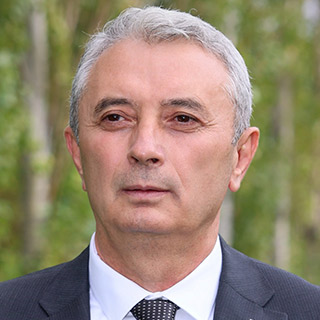
Director General of Fisheries and Aquaculture, Ministry of Agriculture and Forestry of the Republic of Türkiye
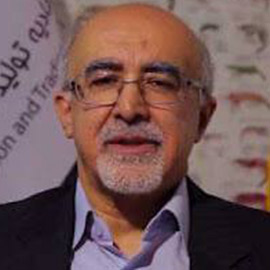
Secretary General, Iran Fisheries Production and Trading Union
Heilongjiang Fisheries Research Institute, Chinese Academy of Fishery Sciences, PRC
First Deputy Chair of the Federation Council Committee on Agriculture and Food Policy and Environmental Management
Minister of Agriculture and Fisheries of the Republic of Karelia
Managing Director, Center for Industry Expertise, Rosselkhozbank JSC
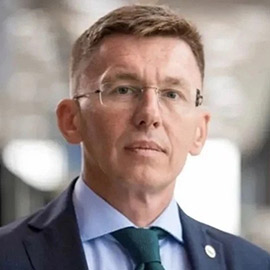
Co-Founder, Ostrov LLC

Commercial Director of PJSC Inarktika
Deputy Director for Production, branch of the Federal State Budgetary Institution “Federal Center for Animal Health” (FGBI “VNIIZh”), Doctor of Veterinary Sciences
Director of Development and Innovation, Group Guangzhou Chonson Beyond Technology Group


The International Trout Forum will continue with a discussion of more specialized topics. Experts, business representatives, and scientists will focus on providing Russia’s aquaculture industry with the key components required for efficient production: equipment and technologies, feed, and stocking material.
An important aspect of the discussion will be assessing whether domestic production capacity is sufficient to ensure technological sovereignty, as well as considering the best ways to import essential components. Other elements of aquaculture business economics – such as logistics and processing – will also be addressed.
Participants in the roundtable will further discuss aquaculture ecology. As an industry develops, environmental considerations become a decisive factor in expanding its production potential.
Topics to discuss:
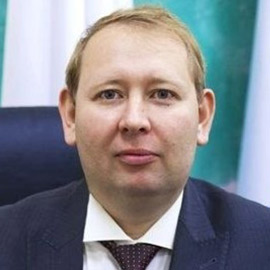
Head, Freshwater Fisheries Branch, VNIRO
Head of the Aquaculture and Fishery Resources Restoration Directorate, FSBI “Glavrybvod”
CEO of Chernomorskaya Forel LLC
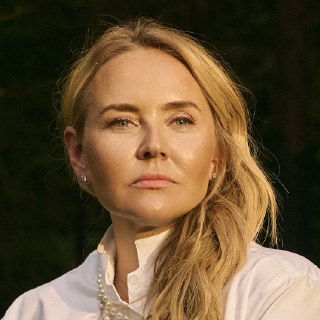
Deputy CEO – Commercial Director, JSC “GK MELKOM”
Marketing and Communications Director at JSC “Fish Feed”
Development Director, Turkish company ASAKUA; Chairman of the International Aquaculture Association INFRAGROUP
Commercial Director, Qihang Fishing Cage Rus
Business Development Project Manager, NGCO New Gas Company
Head of Fish Farming Department, Raciovet LLC
Head of the Laboratory for the Prevention of Bacterial Diseases, Federal State Budgetary Institution “Federal Center for Animal Health” (FGBI “VNIIZh”), Candidate of Veterinary Sciences
General Director, Algotec LLC
Aquaculture in Russia remains one of the fastest-growing sectors of agriculture. At the same time, the recent stagnation in aquaculture production volumes highlights a number of challenges that need to be addressed in order to bring the sector to a new level of development.
Looking at global aquaculture practices, we can see that many of the leading aquaculture-producing countries have faced similar challenges. To varying degrees, these countries have managed to address the problems that emerged at different stages of the sector’s development or mitigate the impact of various limiting factors, enabling further growth in aquaculture production.
The Roundtable will bring together industry experts to discuss aquaculture development pathways in different countries, examine global trends and approaches, and explore tools for overcoming the challenges and limiting factors that inevitably arise in a rapidly developing sector.
CEO, MELKOM-Market LLC (part of MELKOM Group JSC)
Deputy General Director for Aquaculture, MELKOM Group JSC

Ph.D. in Agricultural Sciences, Head of the Aquaculture Department, VNIRO
PhD (Biology), Head of the Department of Genetics and Genomic Selection, VNIRO
Head of the Department of Science and Aquaculture, Federal Agency for Fisheries
Director of the Department for Regulation in Fisheries and Aquaculture, Ministry of Agriculture of the Russian Federation

In recent years, global science has made remarkable strides in the breeding and genetics of aquatic biological resources. Researchers have developed new strains of valuable fish, including fast‑growing sturgeon and salmonids with enhanced disease resistance.
However, the introduction of international sanctions has complicated access to foreign fish seed, which has been the foundation of Russia's fastest‑growing aquaculture sector, particularly for trout and salmon production. Russian fisheries science now faces serious challenges: the urgent need to accelerate the development of domestic research and technology infrastructure, to train qualified personnel, and to scale up successful breeding practices.
At the same time, new opportunities are emerging, including closer cooperation with partner countries and the localization of critical component production. This roundtable is intended to assess the current state of Russian genetics in the field of aquatic biological resources, identify key bottlenecks, and outline strategic priorities for the years ahead.
Key objectives:
Topics to discuss:
PhD (Biology), Deputy Director, Federal Selective and Genetic Center, Glavrybvod
PhD (Biology), Head of the Department of Genetics and Genomic Selection, VNIRO
Head of a Project Area, Project Office of the Directorate of Scientific and Technical Programs
Director, Ardon-Fish Trout Fry Production Company; Founder of FishLab Aquaculture School; Developer of the M2-Aquaculture Accounting Program

Head, Laboratory of Fish Genetics and Breeding, Freshwater Fisheries Branch of the State Scientific Center of the Russian Federation, VNIRO
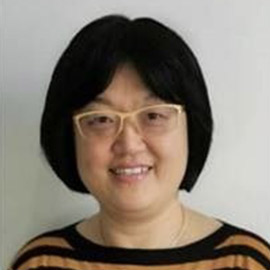
Doctor of Science, Research Professor, Head of the Research Program on Selective Breeding, Institute of Fisheries, Beijing Academy of Agriculture and Forestry Sciences, China





This website uses , to ensure the best user experience and functionality of the site. By continuing to use this site, you agree to the use of cookies